
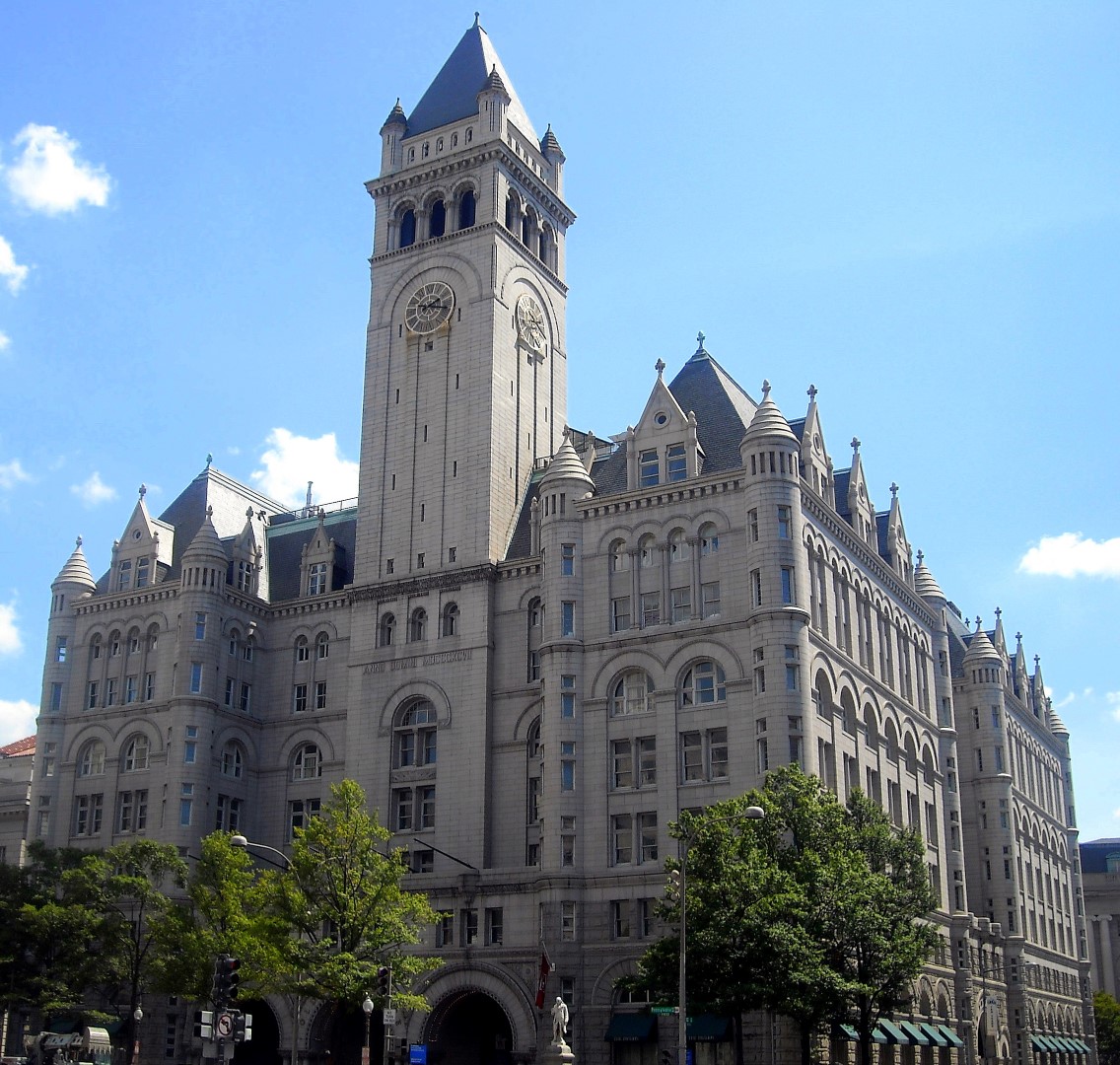
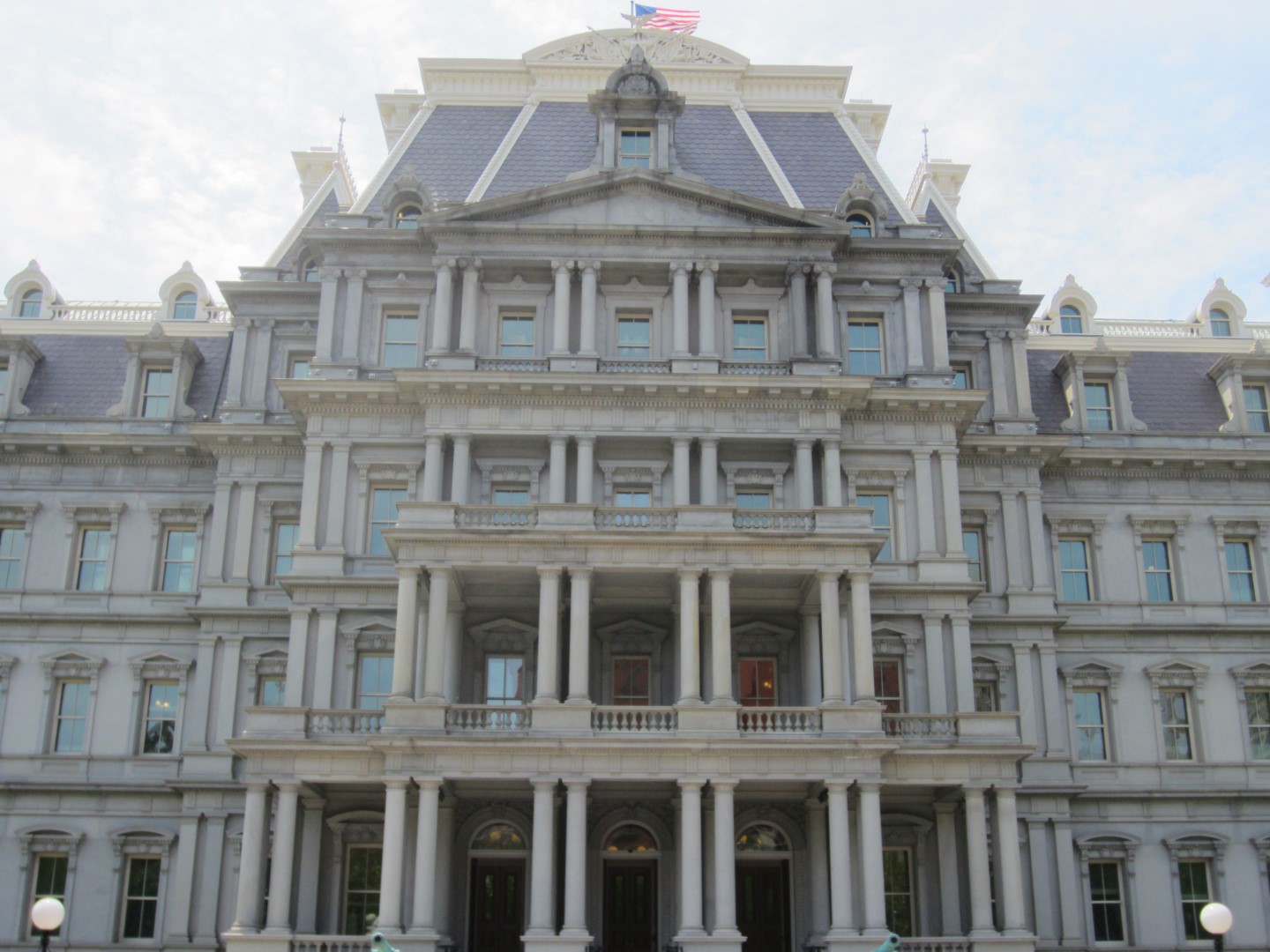
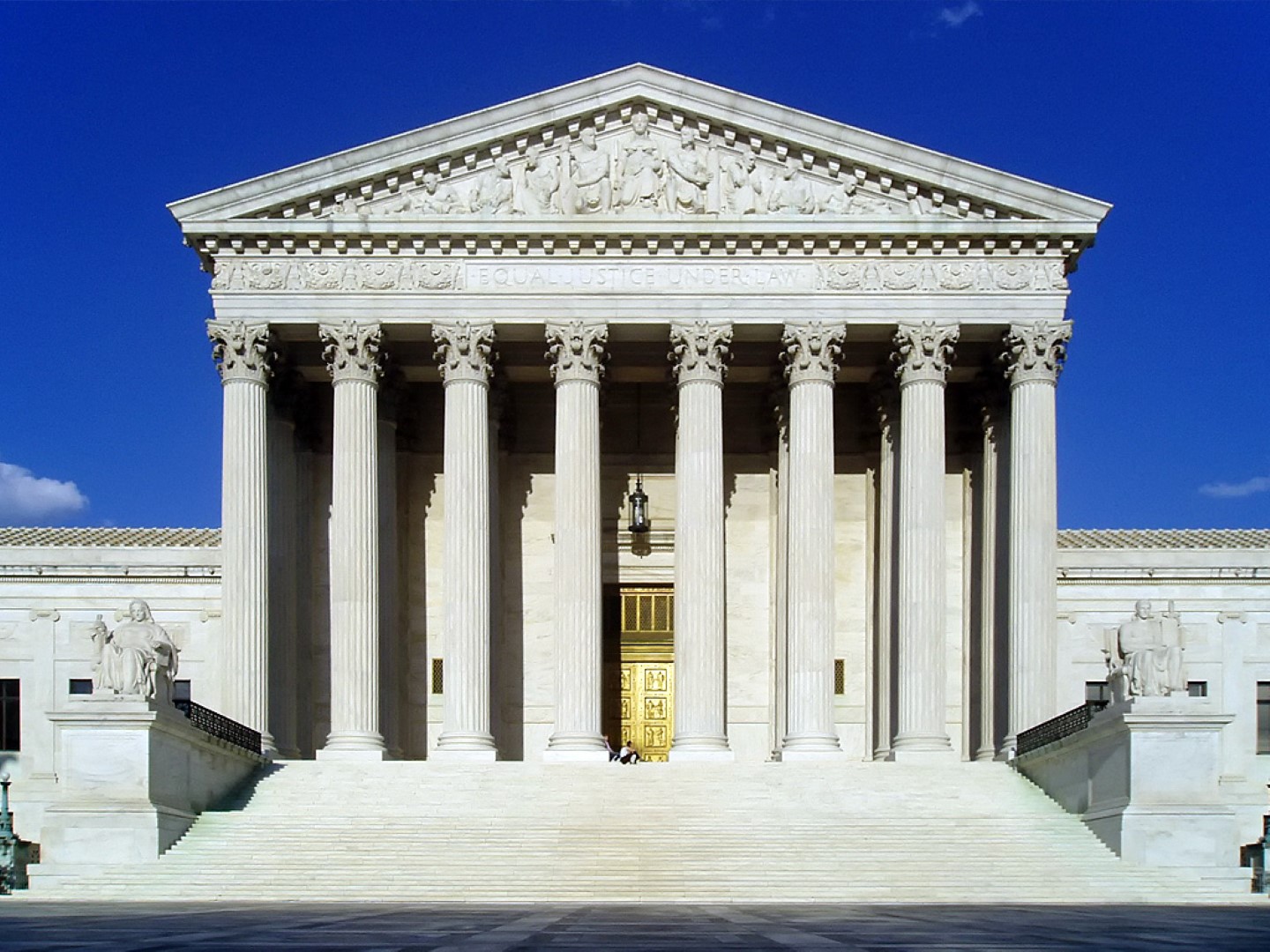
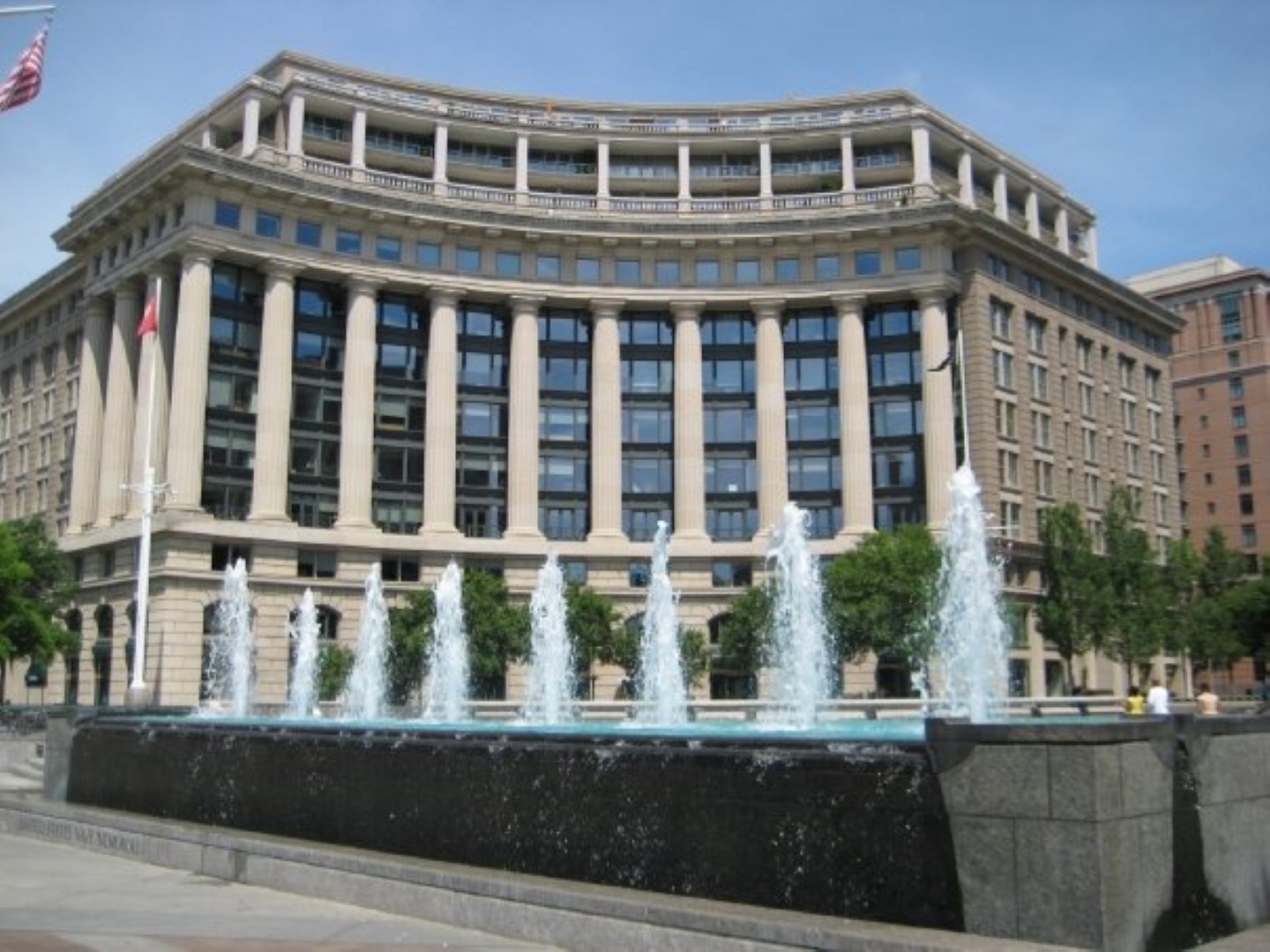
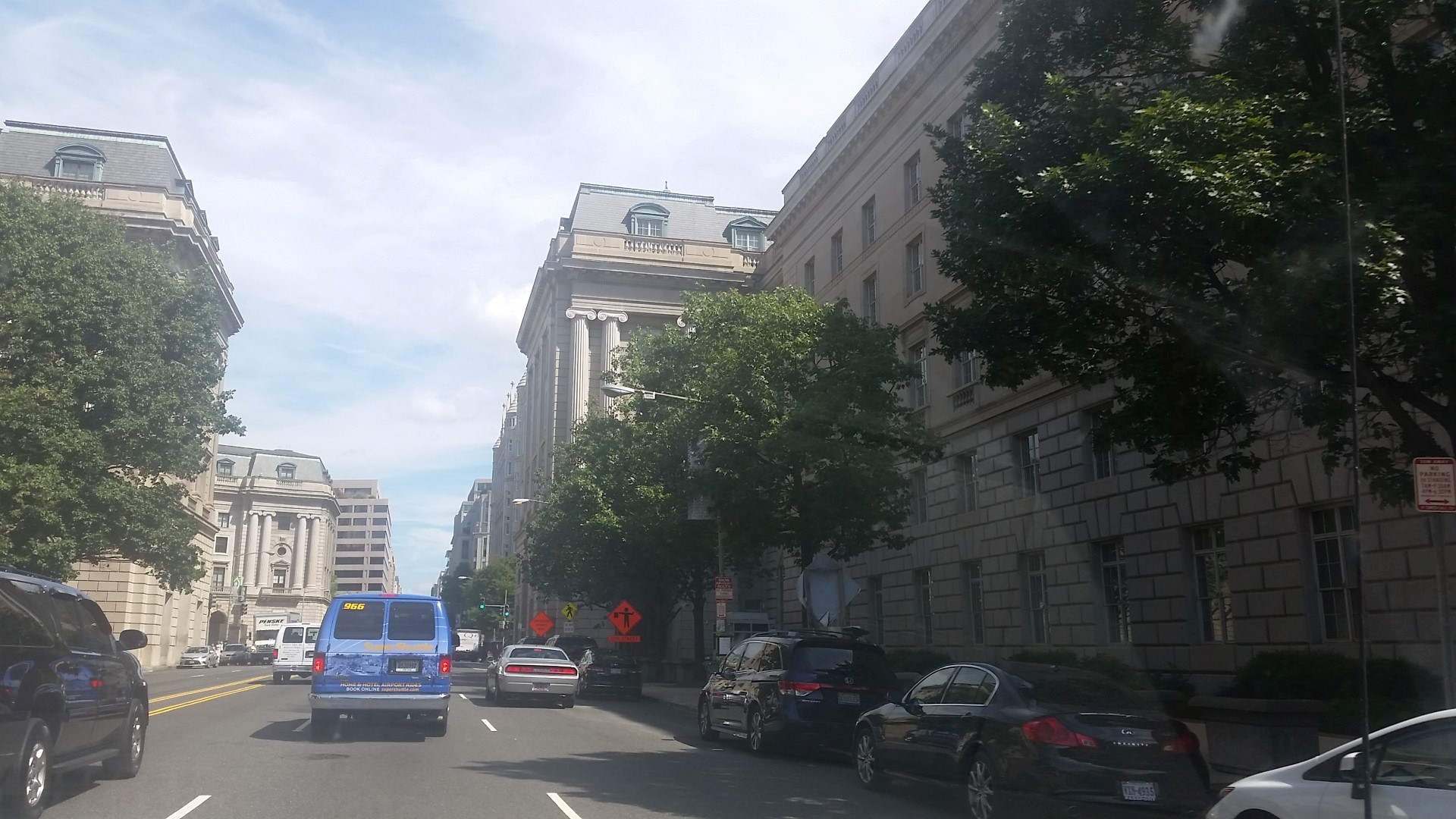
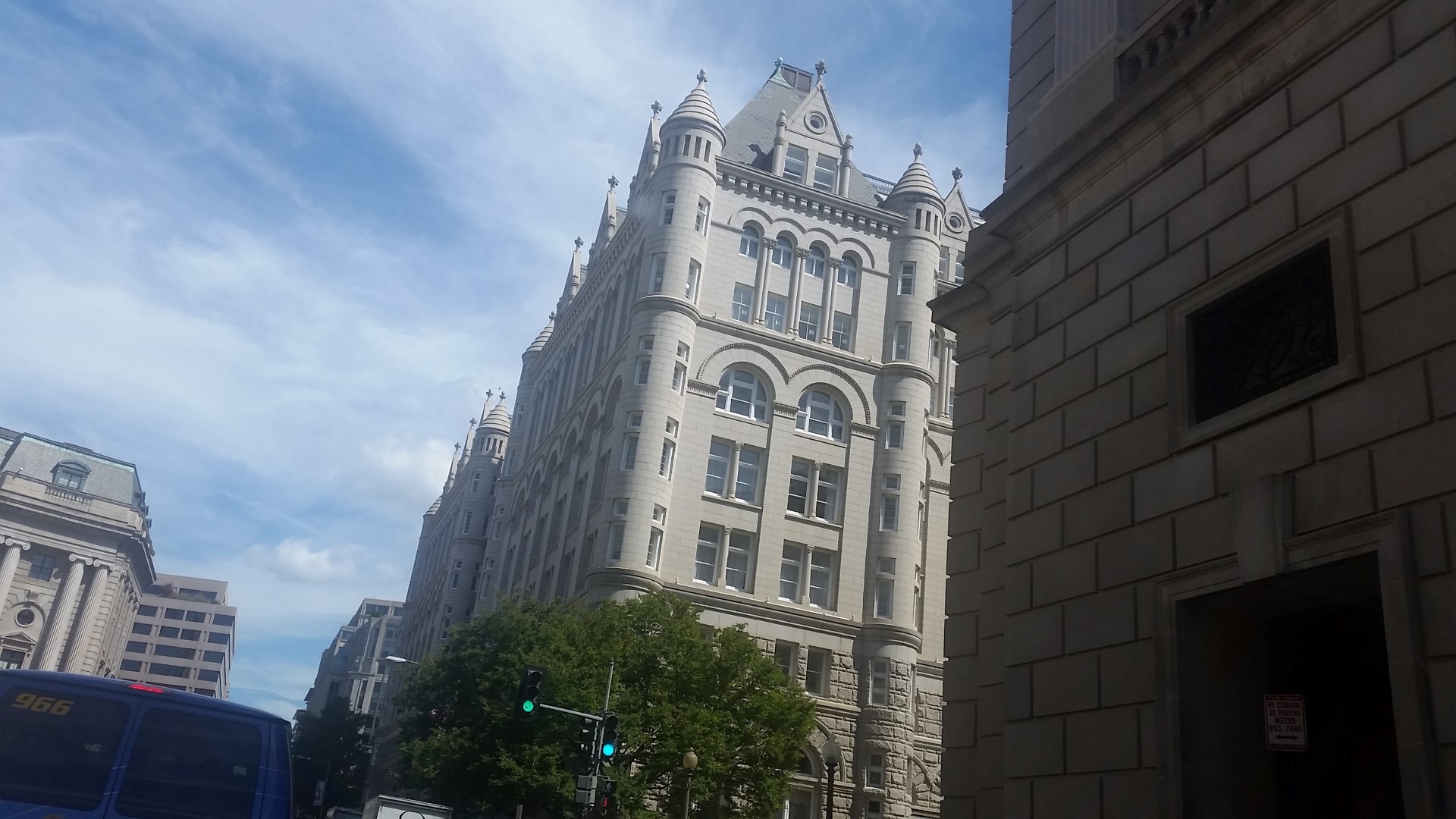
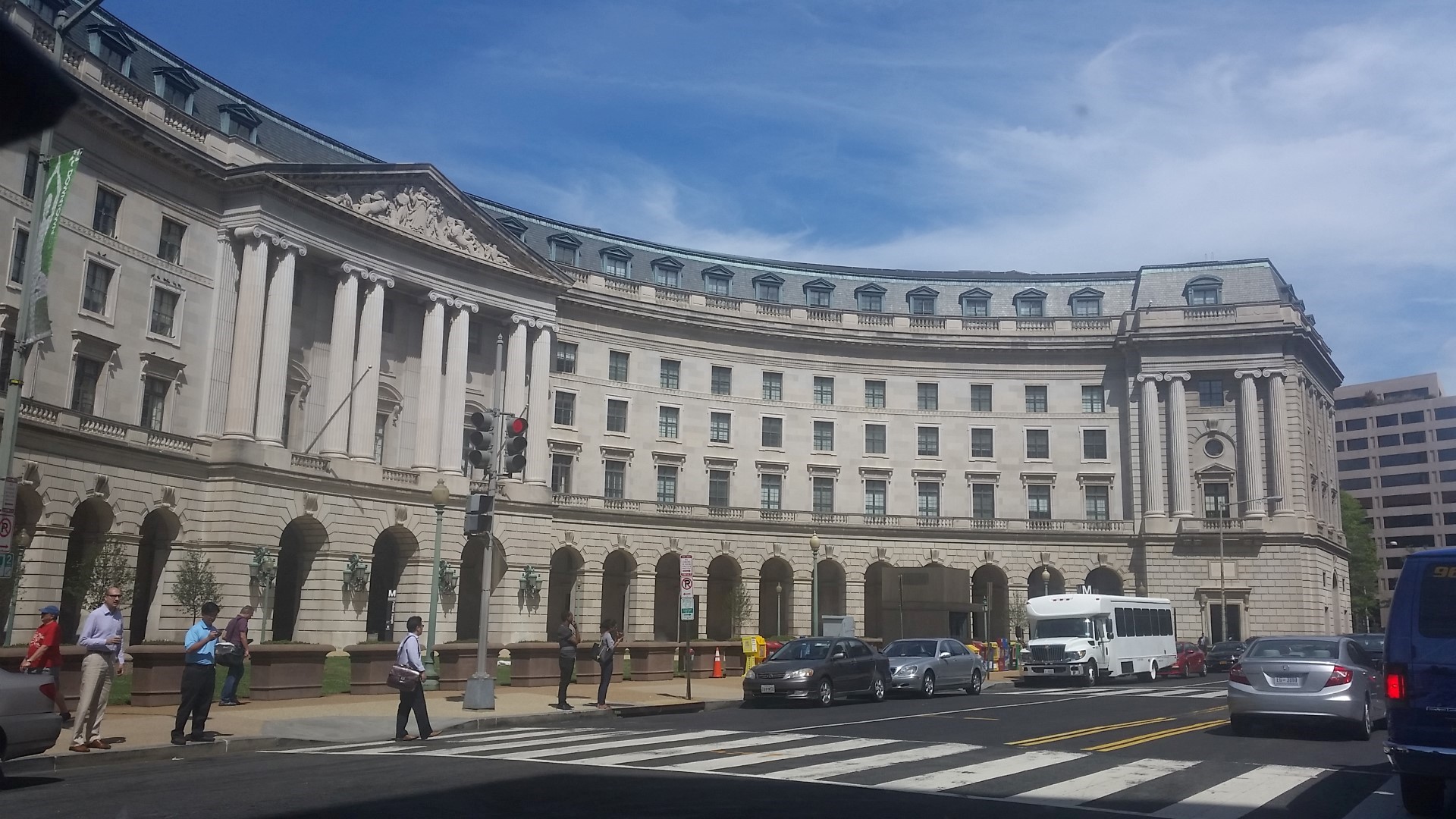
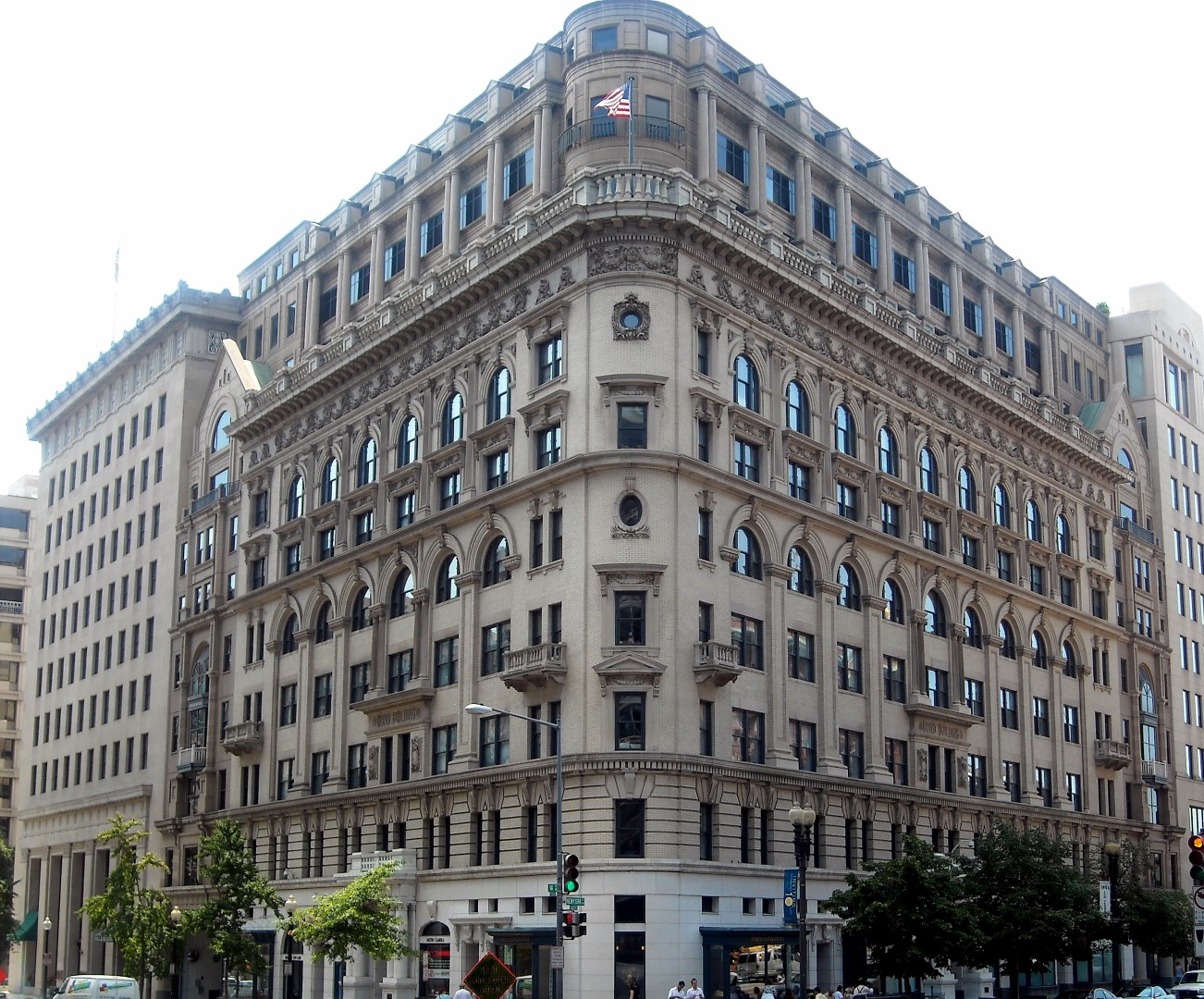
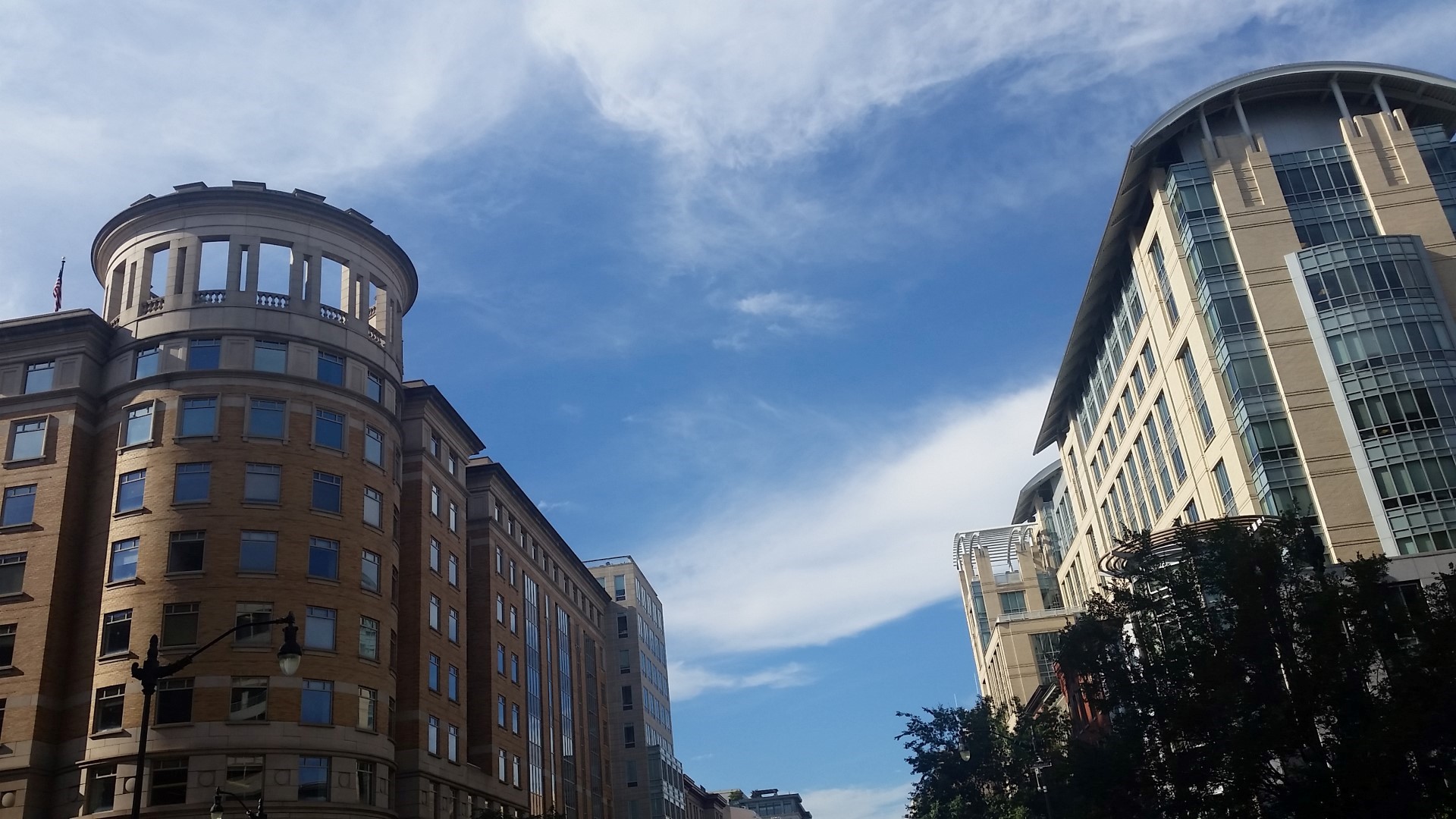
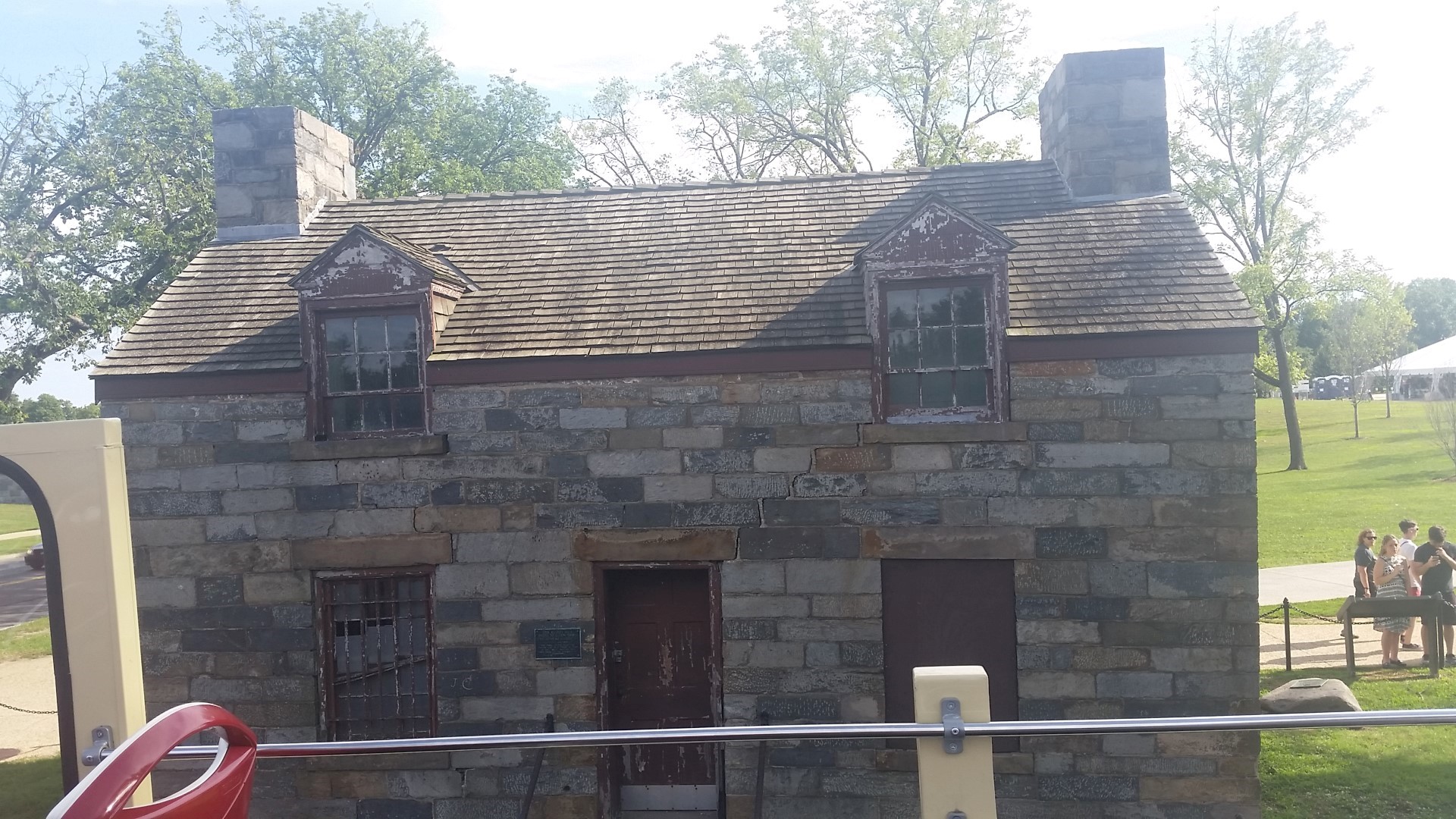
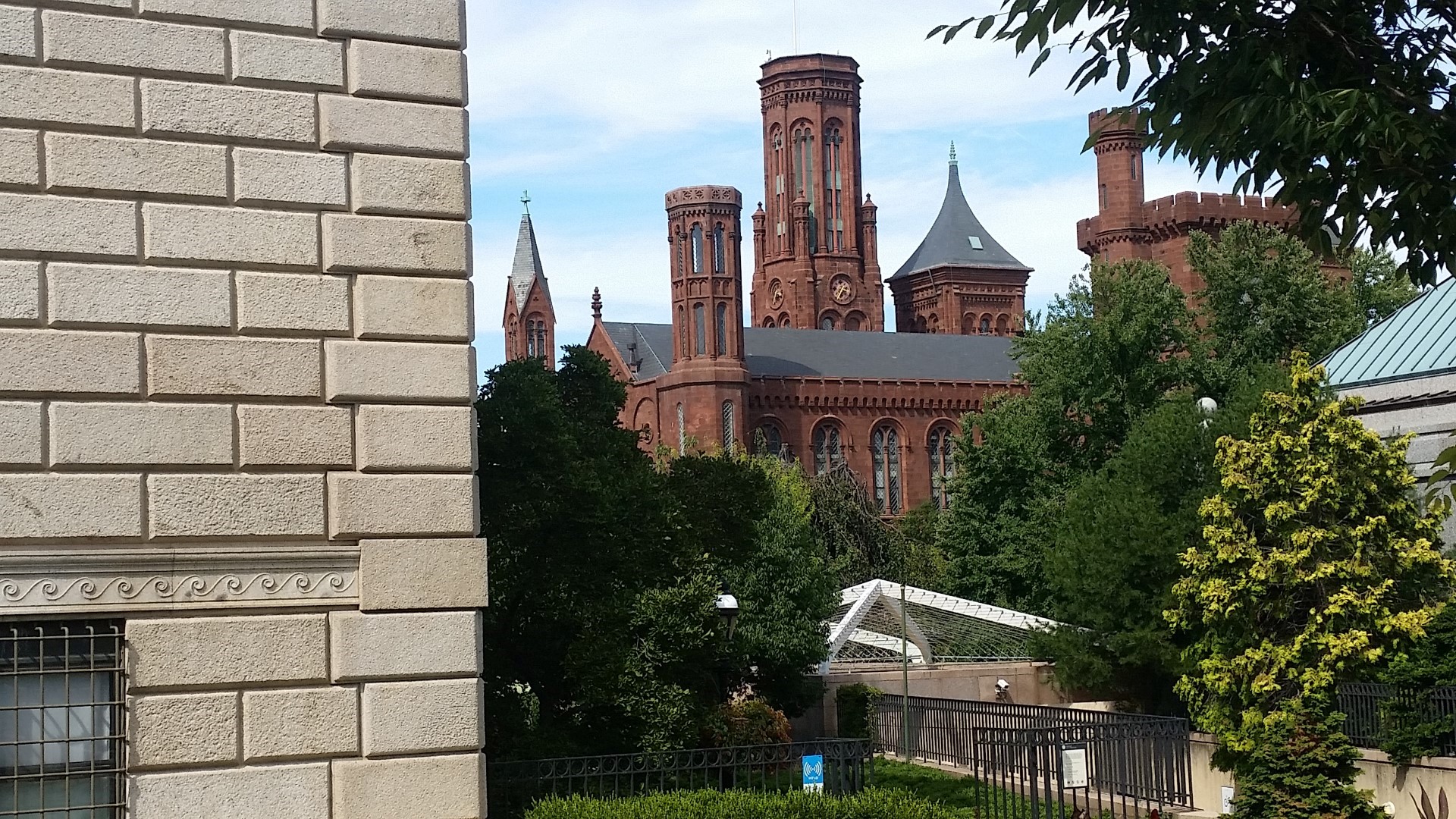
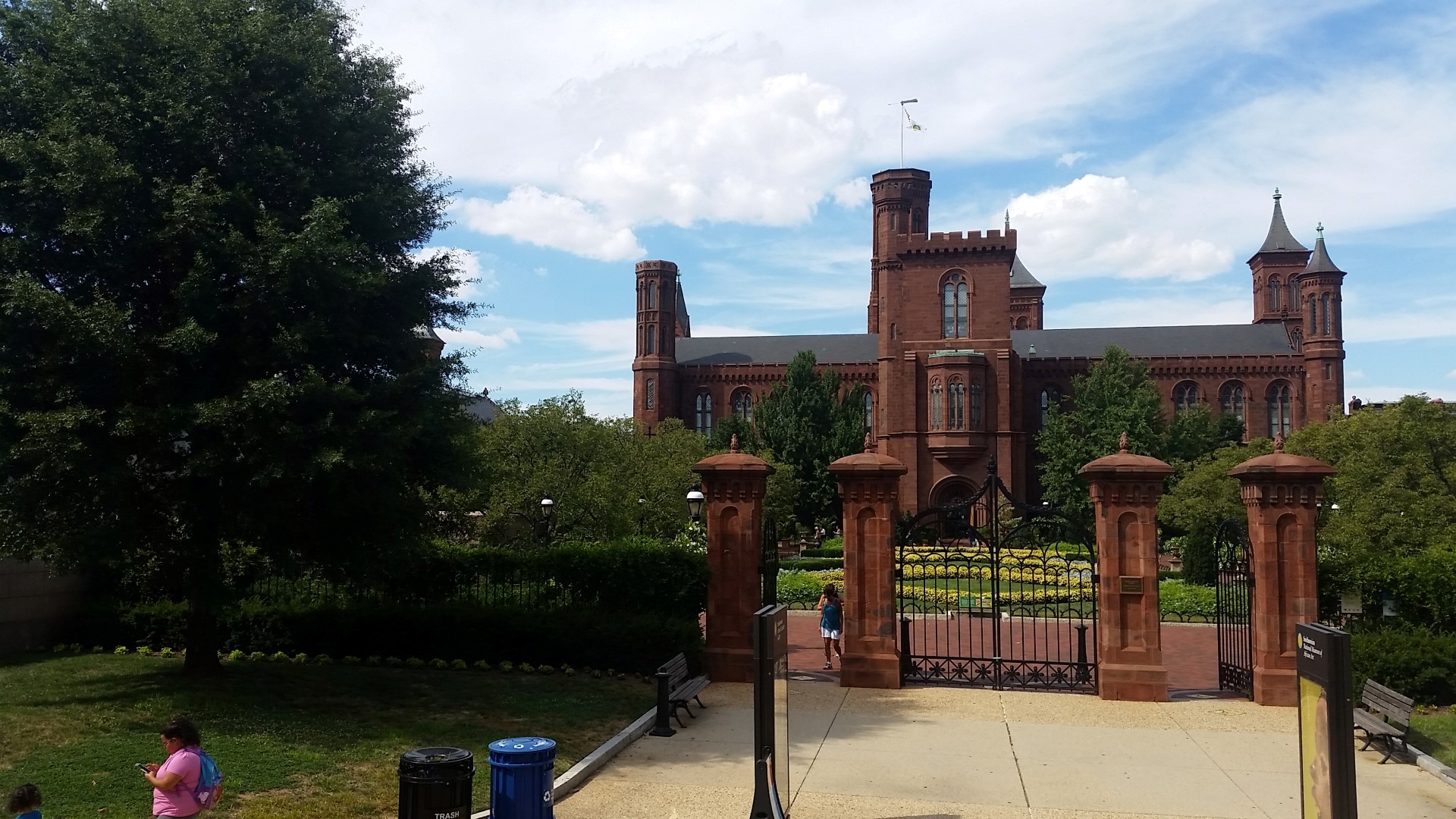
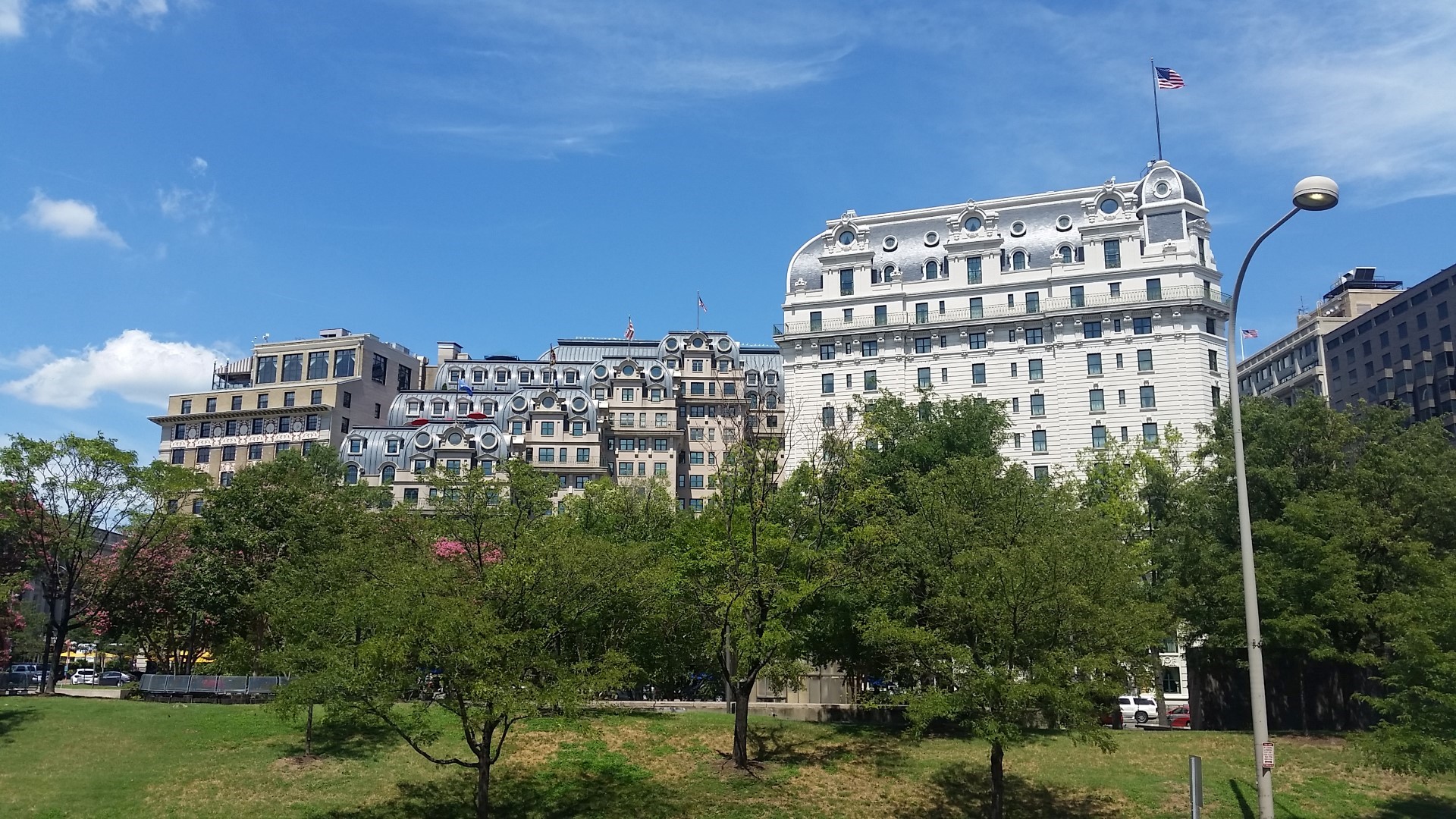
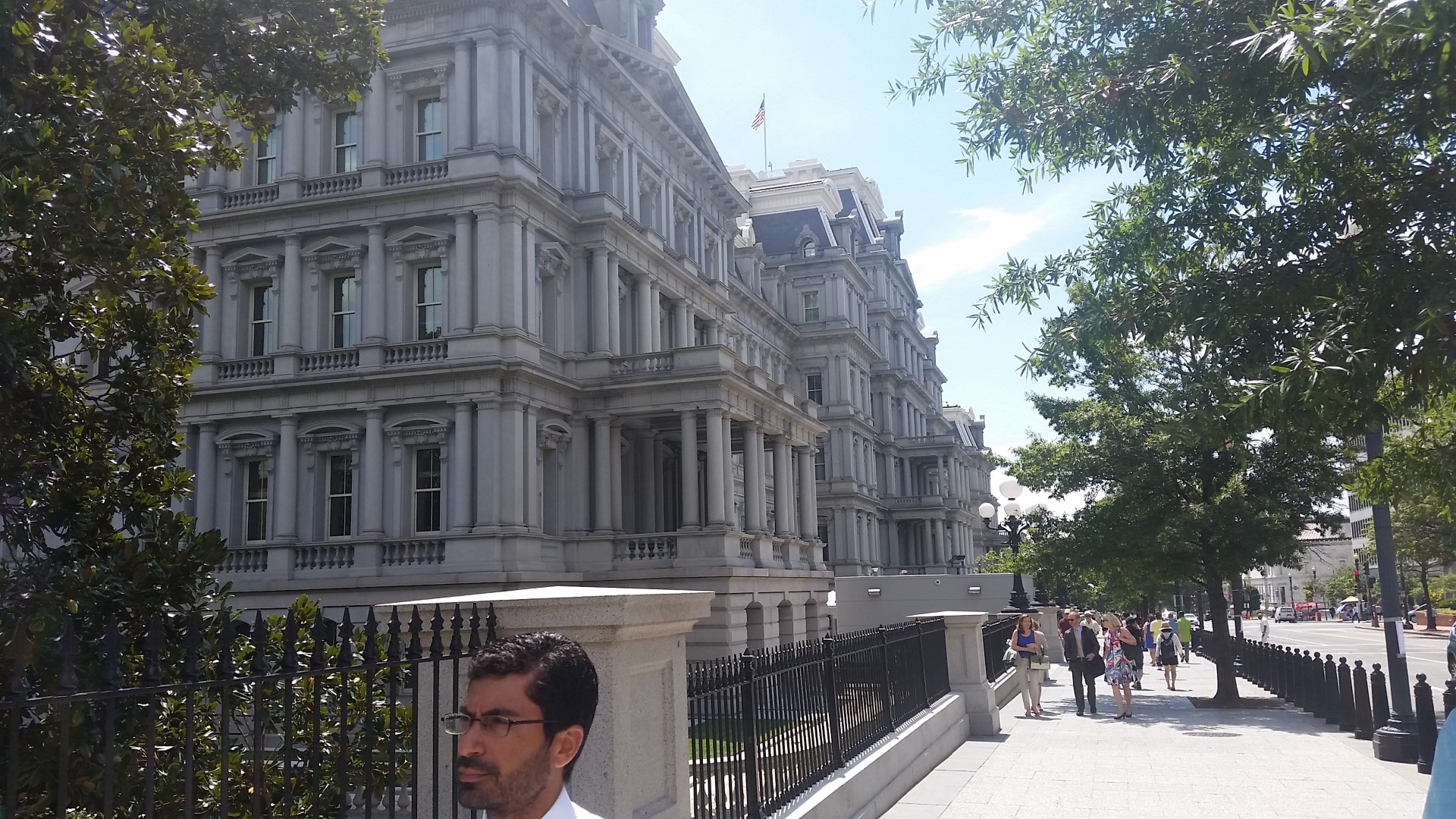
 Wednesday, September 7, 2016 – One thing quite apparent when touring Washington, DC was the powerful look of the buildings, the lack of skyscrapers and how well laid out the city is. You’ll see in the photos that follow the strong look I described in their use of granite, marble and other strong stones.
Washington DC is unlike any other city we’ve been to. It is obviously a city where much power resides! I felt particularly safe while there.
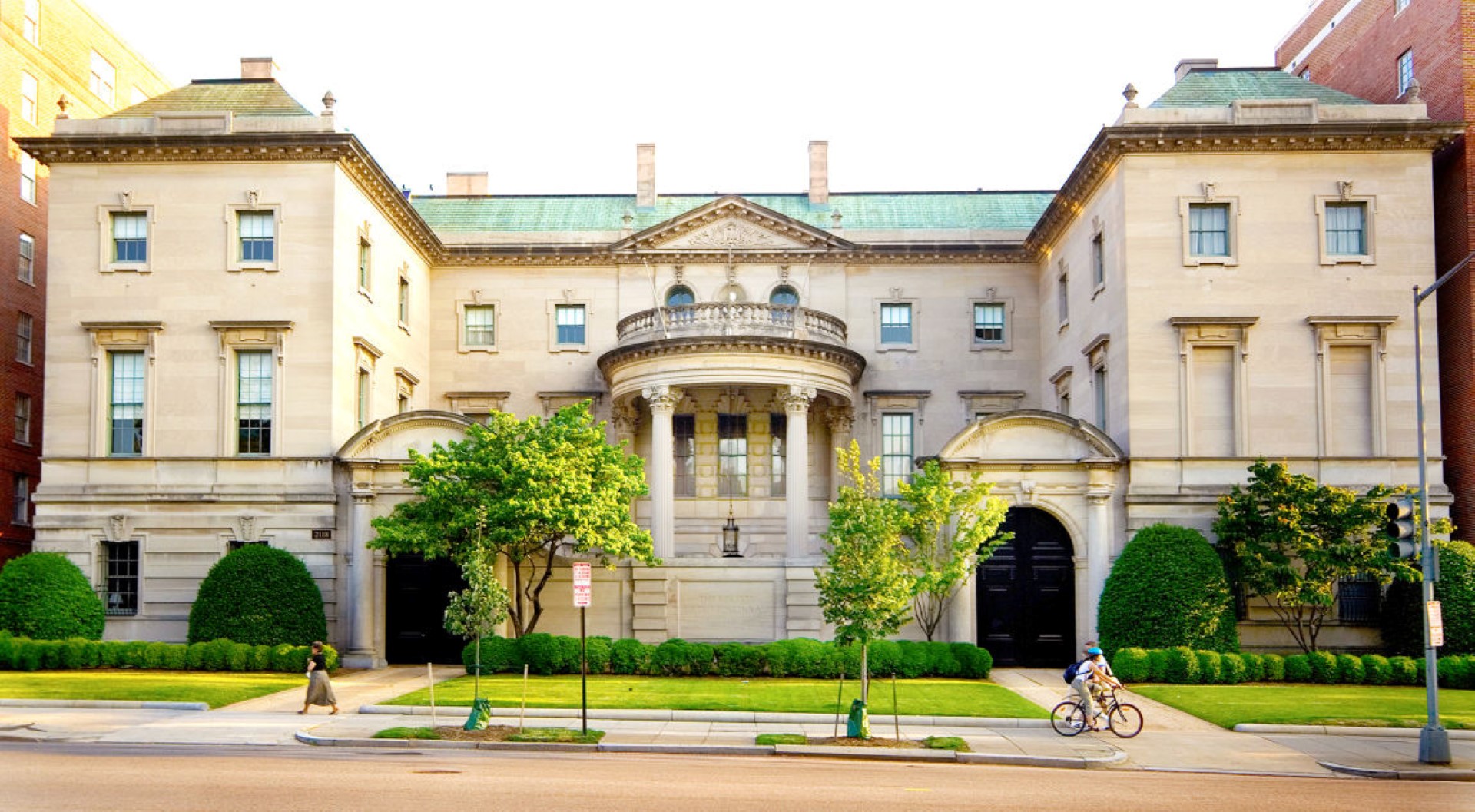
I will be sharing below information I found on the planning of the city and its architecture. In between that information will be some of the massive buildings we oohed and aahed at during our tour. We’ll start with homes around the Washington DC area and then on to buildings

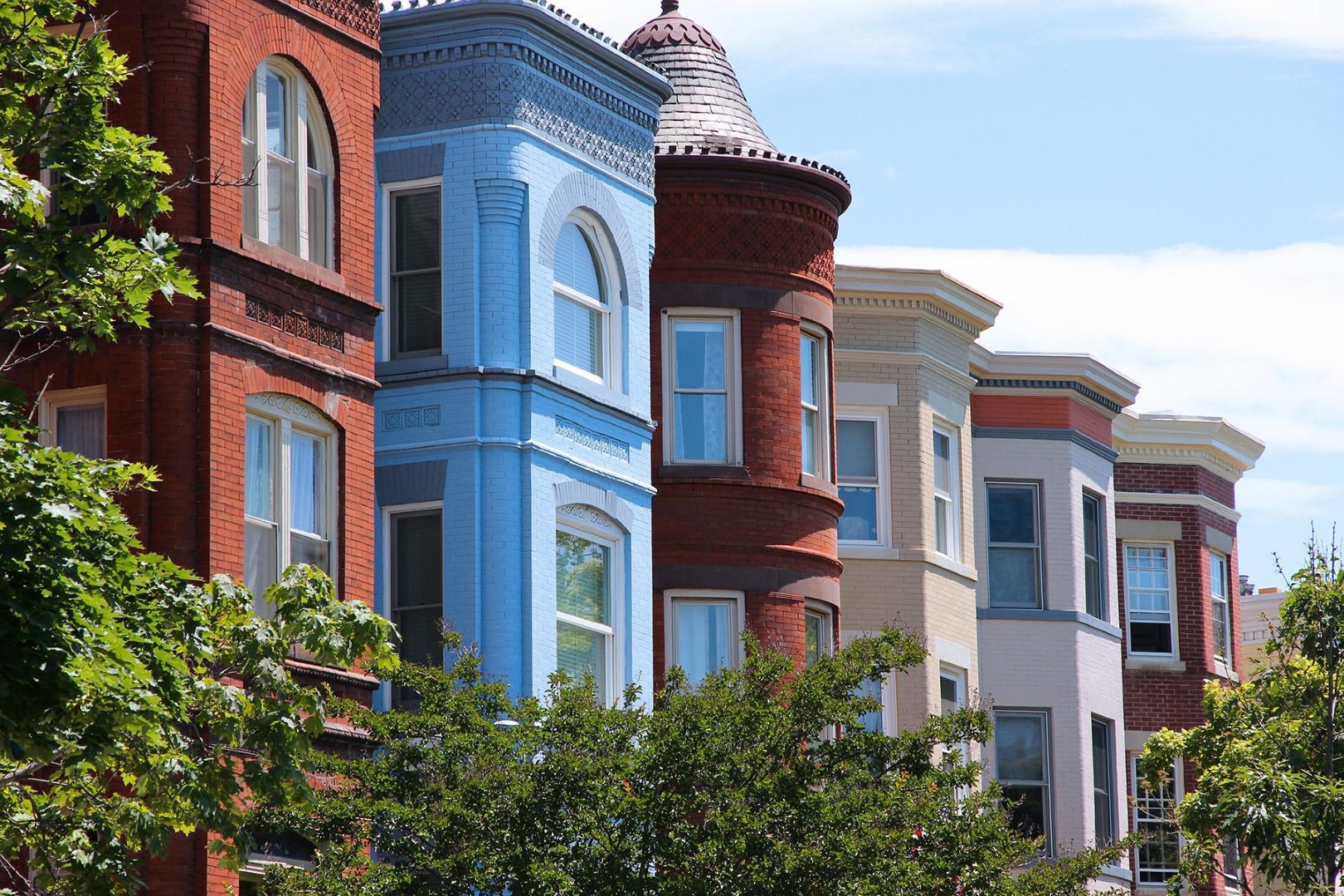
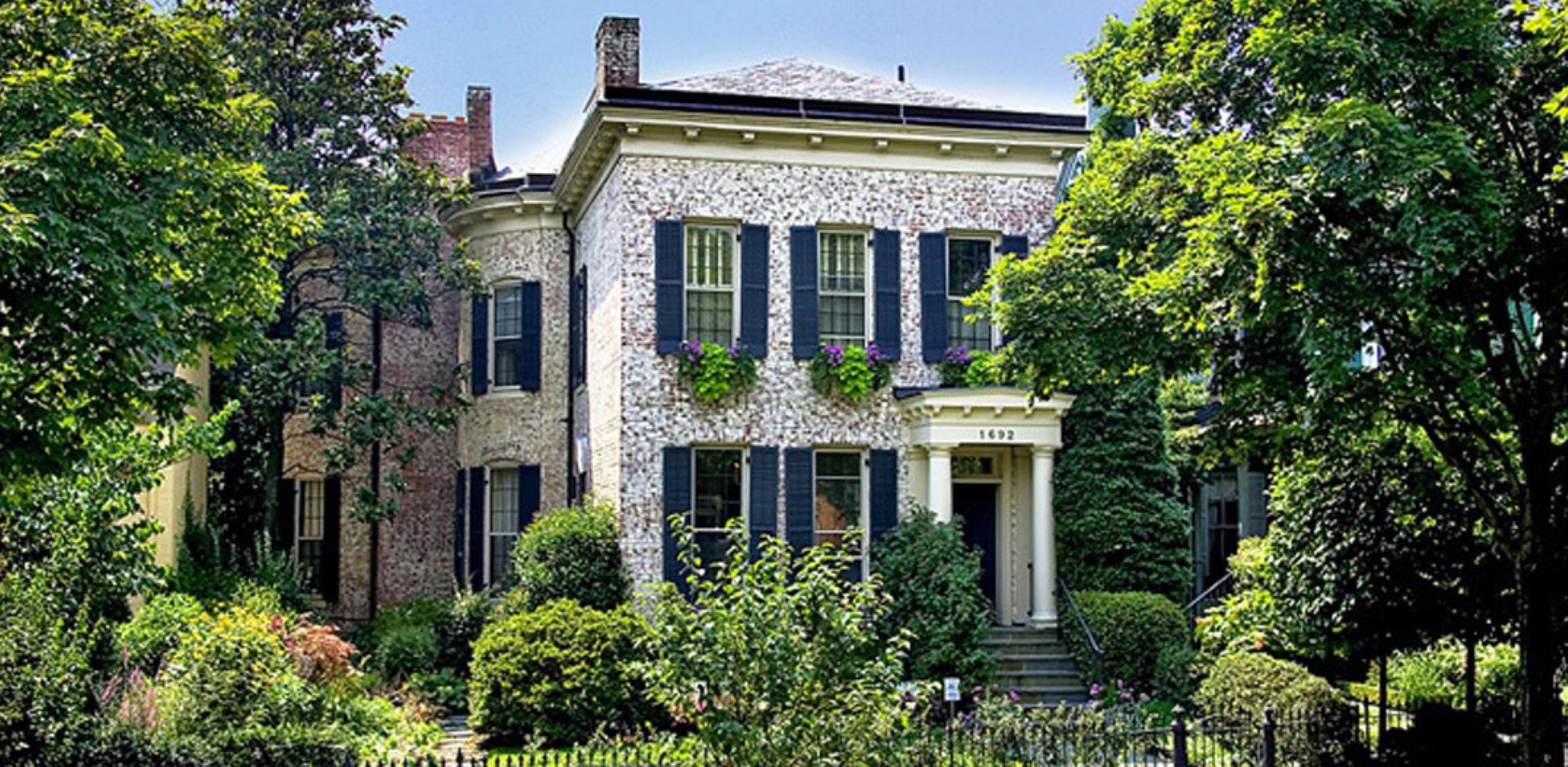

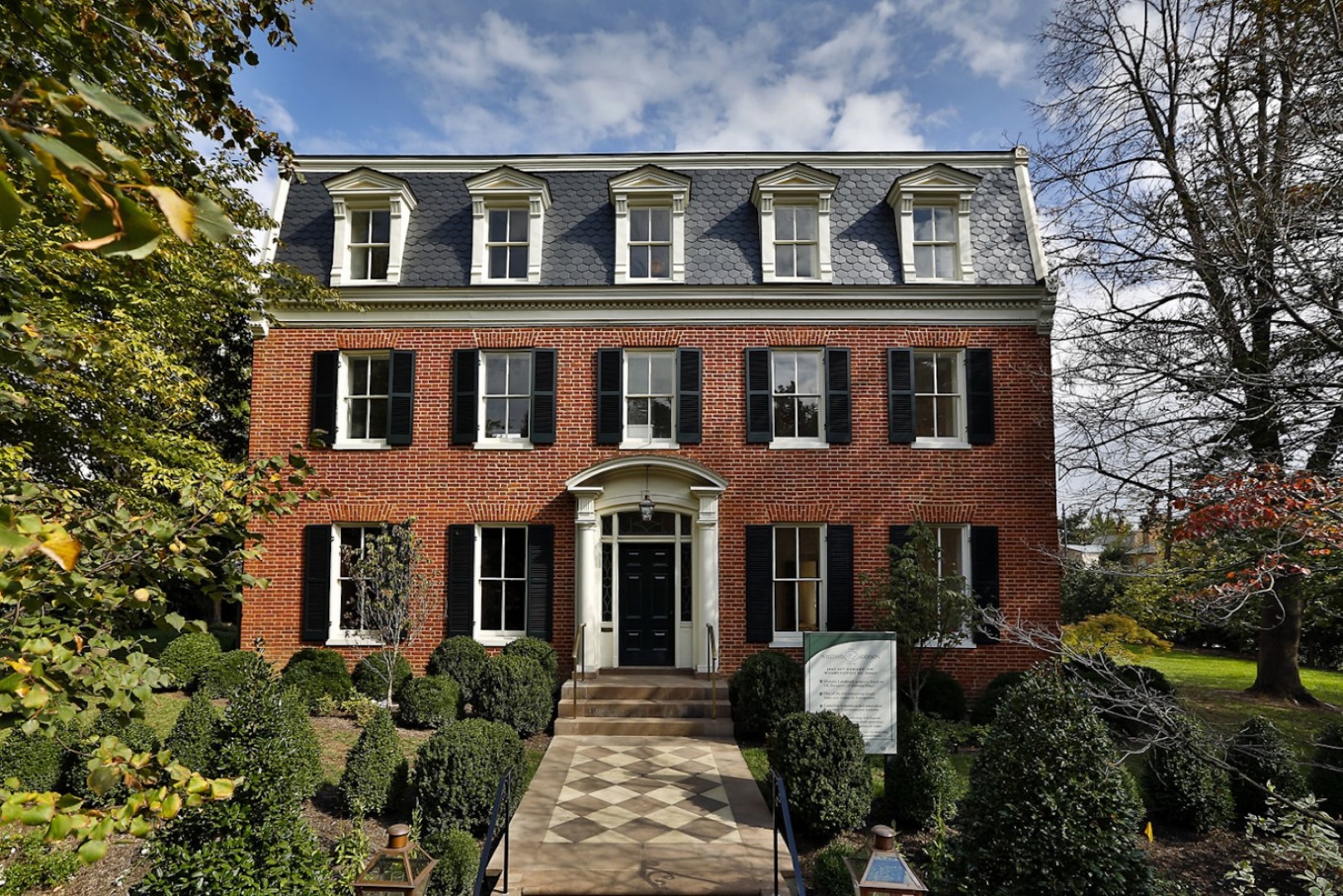

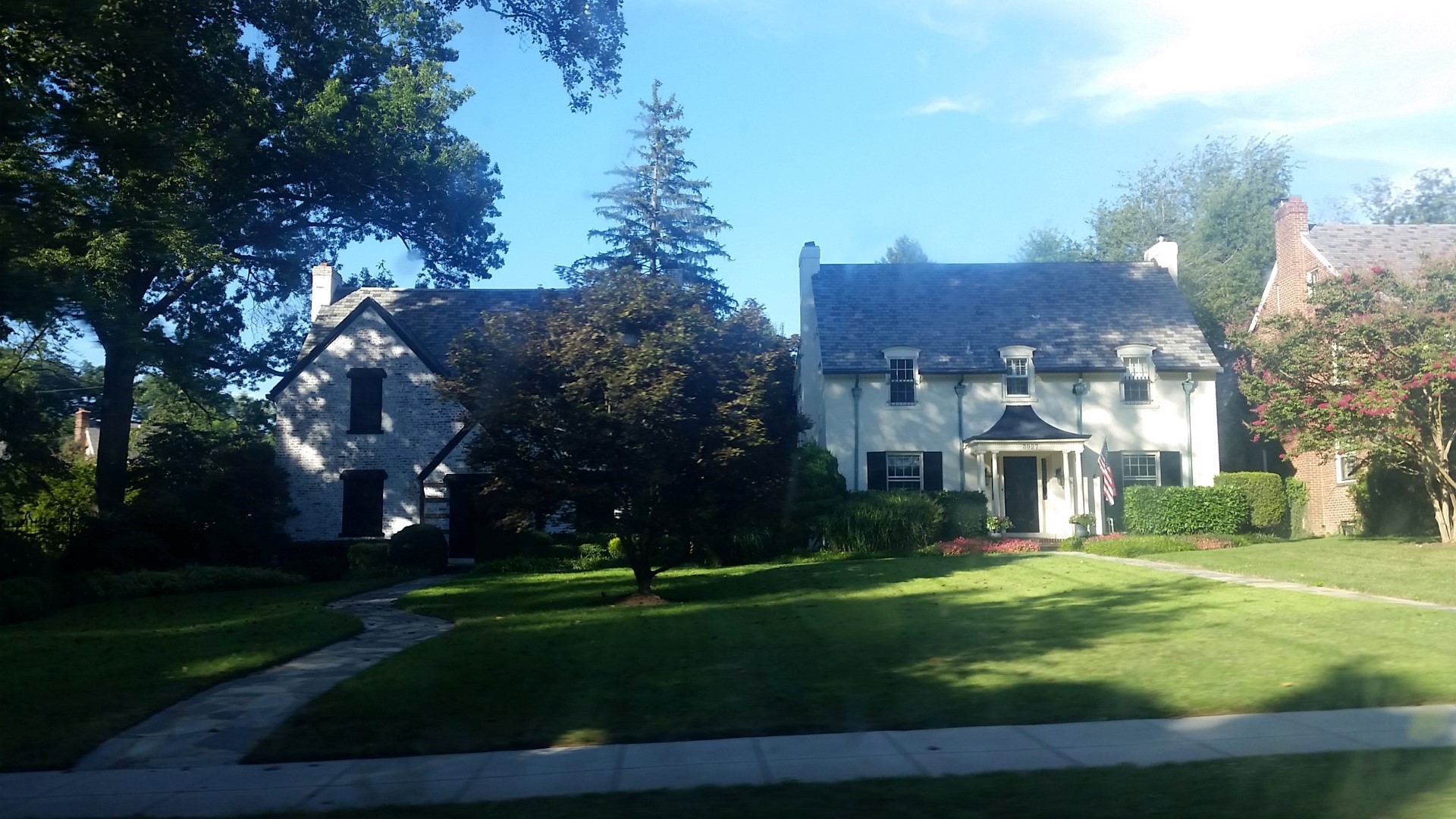
 City plan
Washington’s visionary planner was Pierre-Charles L’Enfant, a French army engineer who fought in the American Revolution. Two factors strongly influenced L’Enfant’s imagination as he planned the capital city: his understanding of 18th-century Baroque landscape architecture and his familiarity with the city of Paris and the grounds of Versailles. L’Enfant adapted the city’s formal plan to the area’s natural topography, carefully selecting important sites for principal buildings based on their order of importance, beginning with the U.S. Capitol building, which he placed on a high ridge. He then symbolically linked it, by way of Pennsylvania Avenue, to the presidential palace (the White House), on a slightly lower ridge.
Placing the Capitol at the center of the street plan, L’Enfant drew surveyors’ lines through the building to the points of the compass, thereby separating the city into four sections: Northwest (the largest quadrant), Northeast, Southeast, and Southwest. Three of the four surveyors’ lines became streets: North Capitol, East Capitol, and South Capitol streets. The fourth dividing line stretches west from the Capitol along the middle of the Mall to the Potomac River.
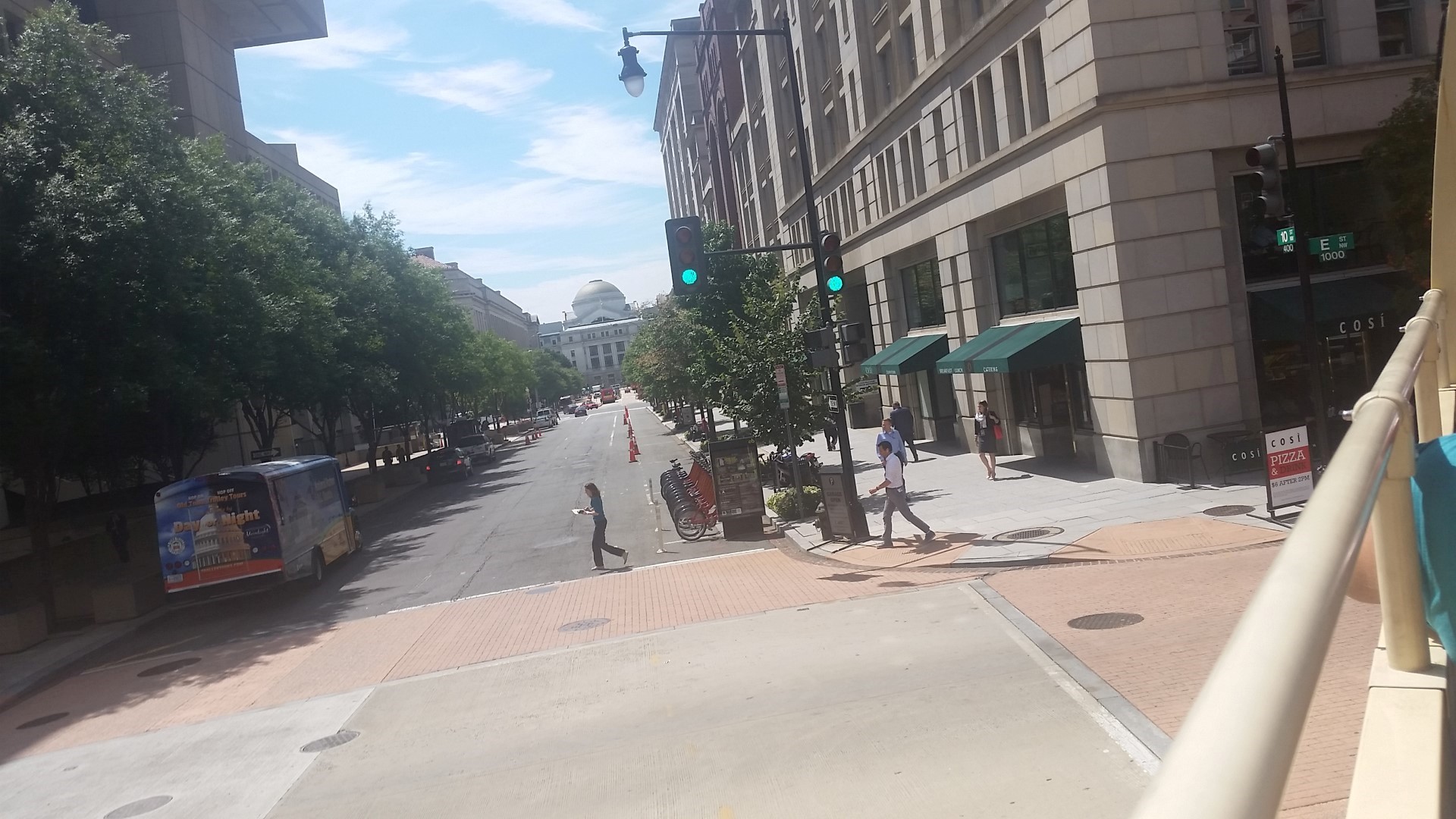
Streets running north-south are numbered, and streets running east-west are lettered. There are two sets of numbered streets and two sets of lettered streets. One set of numbered streets commences to the east of the Capitol, and the other starts to the west. The two corresponding sets of lettered streets begin to the north and to the south of the Capitol. Each street’s name is followed by the abbreviation of the quadrant in which it is located (e.g., 1st Street NW or A Street SE). There are no J, X, Y, or Z streets, and the two B Streets were renamed Constitution Avenue and Independence Avenue. A number of diagonal avenues are named for U.S. states.
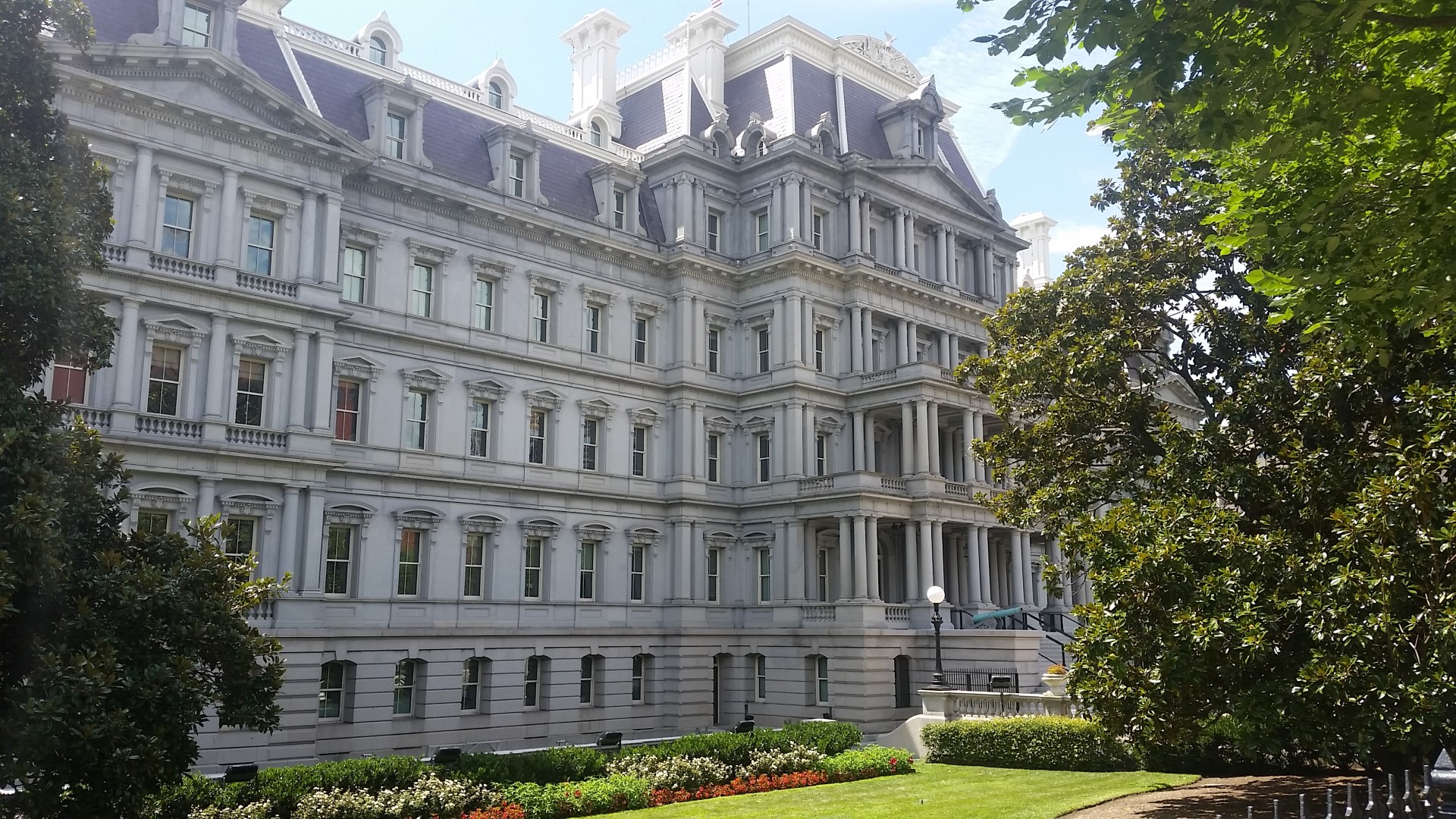
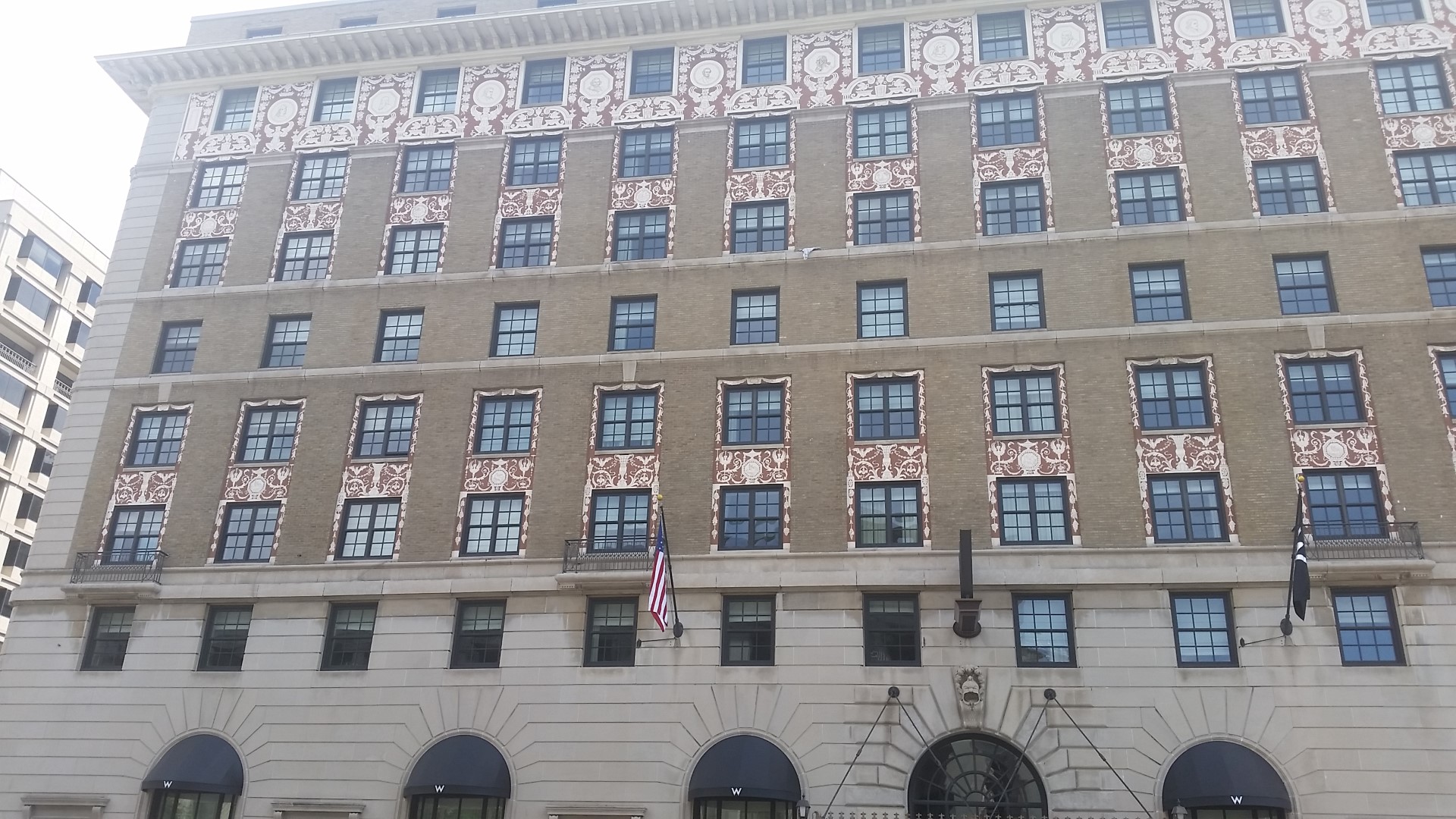  Height restrictions for buildings in Washington were enacted by Congress as early as 1899 because of concerns over the fire safety and aesthetics of tall buildings, and the Height of Buildings Act of 1910 assured the city’s horizontal landscape. According to the act, no building in Washington may be taller than 130 feet, though along certain portions of Pennsylvania Avenue certain structures are allowed to extend an additional 30 feet (9 metres). Office buildings may be no wider than the street on which they are built plus 20 feet, and most of them are about 120 feet wide. Thus, D.C. lacks the characteristic skyscrapers found in other large U.S. cities. Moreover, as the city has expanded, it has spread out rather than up, with residential and low-rise commercial areas having been replaced by rows of homogeneous boxlike office buildings.
 Height restrictions for buildings in Washington were enacted by Congress as early as 1899 because of concerns over the fire safety and aesthetics of tall buildings, and the Height of Buildings Act of 1910 assured the city’s horizontal landscape. According to the act, no building in Washington may be taller than 130 feet, though along certain portions of Pennsylvania Avenue certain structures are allowed to extend an additional 30 feet (9 metres). Office buildings may be no wider than the street on which they are built plus 20 feet, and most of them are about 120 feet wide. Thus, D.C. lacks the characteristic skyscrapers found in other large U.S. cities. Moreover, as the city has expanded, it has spread out rather than up, with residential and low-rise commercial areas having been replaced by rows of homogeneous boxlike office buildings.

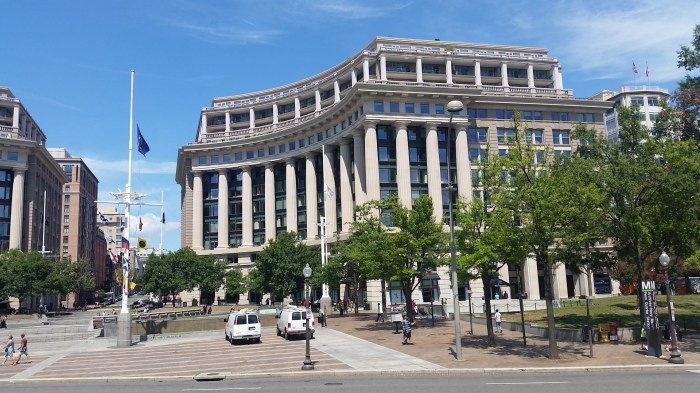
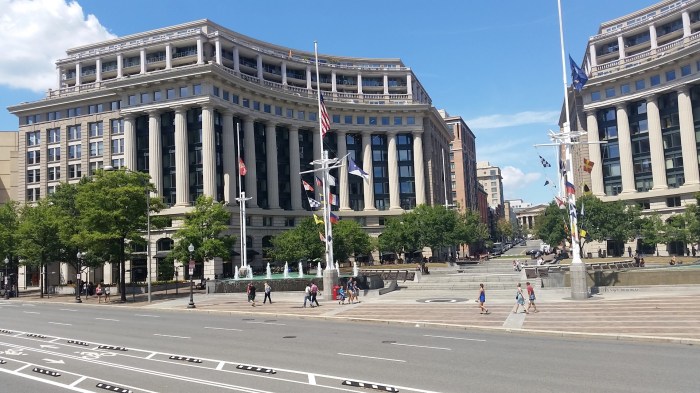
A tradition of conservatism also is evident in the architectural design of many of Washington’s private and government buildings.
That wraps up all three parts of our blog posts about Washington, DC. We walked as much as we physically could on the hot sunny day we were there. I would love to go back there on a cool, cloudy day so we could walk around and see more!
Roy and I are at Triple T which is a big rig and motor home service center. Yesterday we had Dora’s transmission checked out and found it needed a new shift selector pad (a terribly expensive part) needed replacing and they took care of it! We spent the night in their parking lot so we’d be ready at 7 am for them to replace the bearings and the seals in Dora’s front end. Our extended warranty runs out this November so we’re having anything that is wrong checked out. We hope to be back at Briarcliffe RV Resort this evening and plan to do some fun stuff the rest of the week. Myrtle Beach is a really nice place, and we want to explore it more!
If you missed Parts 1 and 2 here are links to them:
Ya’ll come back now, ya’ hear!!


Click on the links below to go there!
Wacky Wonderful Wednesdays published on Wednesdays
Some Things I Learned About Dementia published randomly
Discover more from - BECAUSE HE LIVES, I CAN FACE TOMORROW -
Subscribe to get the latest posts sent to your email.
 - BECAUSE HE LIVES, I CAN FACE TOMORROW -